Why Water Damage Restoration Is Critical After a Flood or Leak
Floods and unexpected leaks can turn a safe, comfortable home into a stressful and potentially hazardous environment within minutes. Whether caused by a burst pipe, heavy rainfall, appliance malfunction, or roof damage, excess moisture spreads quickly and seeps into floors, walls, insulation, and personal belongings. What may initially appear to be a minor issue can escalate into structural damage, mold growth, and costly repairs if not addressed promptly.
Acting quickly is essential after any water-related incident. Professional water damage restoration plays a crucial role in minimizing destruction, protecting health, and restoring a property to its original condition. Understanding why immediate action matters can help homeowners and business owners make informed decisions during an already overwhelming situation.
The Immediate Risks of Standing Water
When water enters a property, the clock starts ticking. Within minutes, it begins to spread, saturating porous materials such as drywall, carpet, wood, and insulation. Even small amounts of moisture can cause significant problems if left untreated.
Standing water creates safety hazards right away. Slippery surfaces increase the risk of falls, and electrical systems may become compromised if water reaches outlets or wiring. In severe flooding situations, contaminated water can introduce harmful bacteria, sewage, and debris into the home. This type of exposure poses immediate health concerns, particularly for children, older adults, and individuals with compromised immune systems.
Additionally, materials inside the home begin deteriorating quickly. Wood flooring can warp, cabinets may swell, and drywall can lose its structural integrity. The longer water remains, the more damage it causes. Acting fast not only limits visible destruction but also reduces hidden damage behind walls and under flooring.
Preventing Mold Growth and Health Hazards
One of the most serious consequences of untreated moisture is mold growth. Mold can begin developing within 24 to 48 hours in damp environments. It thrives in dark, humid spaces such as behind drywall, under carpets, and inside insulation.
Once mold colonies form, they can spread rapidly throughout the property. Spores become airborne and circulate through the HVAC system, potentially affecting indoor air quality. This can lead to respiratory issues, allergic reactions, headaches, and other health concerns. Individuals with asthma or allergies are especially vulnerable.
Addressing moisture quickly is the most effective way to prevent mold development. Water damage restoration professionals use advanced drying equipment, dehumidifiers, and air movers to eliminate excess humidity. Moisture meters and thermal imaging tools help identify hidden damp areas that might otherwise go unnoticed.
Protecting Structural Integrity and Property Value
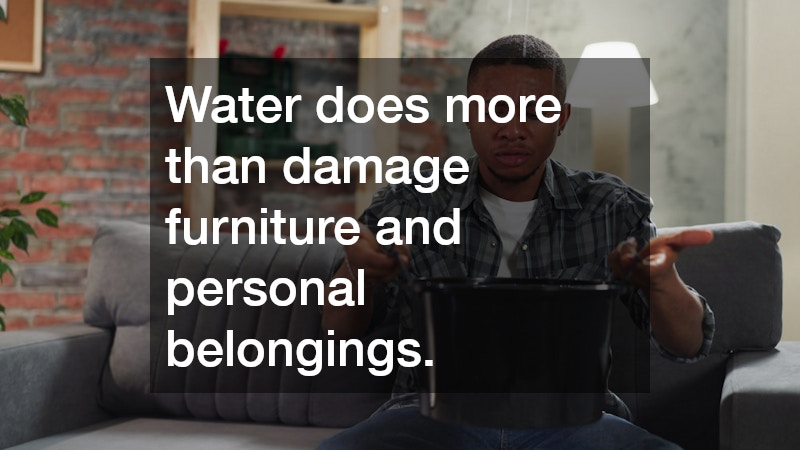
Water does more than damage furniture and personal belongings. It can weaken the structural components that keep a building stable and secure. Prolonged exposure to moisture compromises wooden beams, subflooring, and framing. Over time, this can lead to sagging floors, cracked walls, and even foundation issues.
In commercial properties, these problems can disrupt operations and result in significant financial losses. For homeowners, structural deterioration reduces property value and can make future sales more complicated. Prospective buyers are often wary of homes with a history of flooding or unresolved moisture issues.
Timely water damage restoration helps preserve the structural integrity of a property. Restoration specialists evaluate which materials can be salvaged and which must be replaced. By addressing damage early, they prevent minor issues from escalating into large-scale reconstruction projects.
The Importance of Professional Equipment and Expertise
While it may be tempting to handle cleanup independently, household tools are rarely sufficient for large-scale water removal and drying. Shop vacuums and fans may help on the surface, but they cannot address moisture trapped within walls, subfloors, or insulation.
Certified restoration technicians are trained to assess water categories and contamination levels. Clean water from a broken supply line requires a different approach than gray water from appliances or black water from sewage backups. Proper handling ensures that hazardous contaminants are removed safely and effectively.
Professional services use industrial-grade dehumidifiers, air scrubbers, and moisture detection technology to ensure comprehensive drying. They also follow established protocols to prevent cross-contamination and further damage during the restoration process.
Another critical aspect is time management. Experienced teams understand the urgency of the situation and can mobilize quickly. Rapid response reduces the overall scope of damage, shortens drying time, and helps occupants return to normal life sooner.
In addition to technical skills, professionals provide guidance and reassurance during a stressful event. Clear communication about the steps involved, expected timelines, and safety precautions helps property owners feel more confident and informed throughout the process.
Prompt action is the key to minimizing damage and protecting both people and property. Professional water damage restoration ensures that water is thoroughly removed, hidden moisture is addressed, and the affected areas are properly cleaned and restored.
By relying on trained experts, property owners can reduce risks, safeguard their investment, and restore peace of mind after an unexpected water-related event. Acting quickly not only prevents further destruction but also lays the foundation for a safe and healthy environment moving forward.