How Hiring Professionals for Home Maintenance Saves Time and Money
Every homeowner eventually faces a critical crossroads: should they roll up their sleeves and attempt a weekend fix, or should they pick up the phone and call in an expert? On a budget-focused home improvement blog, the instinct is almost always to save pennies by doing the labor yourself. However, a deeper look at the economics of property management reveals a surprising truth. The specialized expertise, industrial-grade equipment, and liability protection that licensed specialists bring to the table frequently make them the most cost-effective choice. Attempting tasks beyond your skill level can escalate minor issues into catastrophic structural failures, leading to a massive drain on your personal schedule and financial reserves.
Navigating Structural and Structural Integrity Maintenance
Inspecting Your Shielding After Major Storm Systems
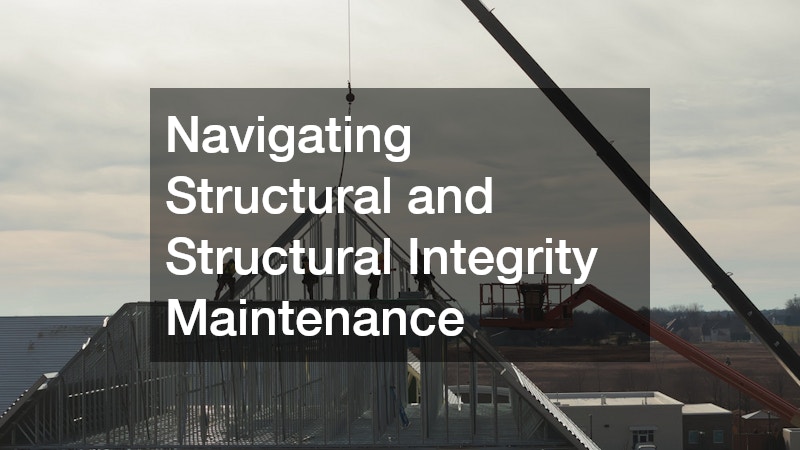
The barrier protecting your living space from moisture damage requires specialized oversight to ensure it functions perfectly year after year. Homeowners who try to scale ladders to patch their own shingles often overlook subtle structural signs of deck rotting, minor flashing failures, or hidden underlayment deterioration. Enlisting certified roofers guarantees that the entire system is evaluated with a trained eye, catching leaks long before they rot your ceilings. These specialists possess the precise staging tools and fall-protection gear required to execute seamless repairs safely. By trusting skilled professionals with your overhead protection, you secure extended material warranties and prevent minor leaks from transforming into multi-thousand-dollar structural rebuilds.
-
Schedule a comprehensive inspection immediately following extreme weather events like hail or high winds.
-
Never attempt to patch valleys or valley transitions using standard roofing caulk or temporary sealants.
-
Keep clean records of professional inspections to streamline future insurance claims if storm damage occurs.
Managing Large-Scale Tear-Downs Safely
When transforming an old layout or clearing space for an addition, taking a sledgehammer to a wall looks straightforward on television but poses immense practical risks. Executing a structural demolition without professional engineering oversight can accidentally compromise load-bearing partitions or sever hidden utility lines. Qualified crews understand how to methodically dismantle a space, salvage reusable materials, and ensure the surrounding architecture remains perfectly stable. They manage the heavy debris disposal seamlessly, keeping your property clean and compliant with municipal waste regulations. Spending money on expert teardown services eliminates the risk of an accidental structural collapse that could ruin your entire renovation budget.
-
Identify and clearly mark all load-bearing structures before removing a single piece of drywall.
-
Verify that all power, gas, and water supplies are entirely isolated before starting structural dismantling.
-
Rent heavy-duty commercial waste bins to handle heavy plaster and timber disposal efficiently.
Mitigating Hazardous Environmental Material Risks
Older properties frequently harbor hidden health hazards behind old drywall, flooring, or pipe insulation that require strict regulatory handling. If you stumble upon suspicious, fibrous materials during a renovation, halting the project immediately is the only safe course of action. Engaging a certified asbestos removal service ensures that the toxic fibers are fully contained under negative-pressure environments and disposed of according to federal safety laws. Attempting to remove these materials yourself can contaminate your entire HVAC system, creating long-term health risks and requiring an incredibly expensive professional decontamination process later. Paying for certified mitigation up front safeguards your household health and preserves the legal resale value of your property.
-
Avoid disturbing any old, flaky white insulation found around basement pipes and heating vents.
-
Request a certified lab analysis if you suspect old floor tiles contain hazardous binders.
-
Maintain strict air isolation zones during active remediation to protect common household areas.
Maximizing the Longevity of Structural Enhancements
-
Request comprehensive wind and impact ratings for all new overhead materials installed on your property.
-
Document the condition of your support trusses before any heavy structural components are altered.
-
Keep detailed containment logs if any dangerous historical insulation materials are discovered during walls-out renovations.
-
Ensure all structural teardown activities are backed by a certified engineering layout to prevent structural sagging.
Managing Essential Water and Waste Utilities
Resolving Hidden Pipe Interventions and Major Fixture Upgrades
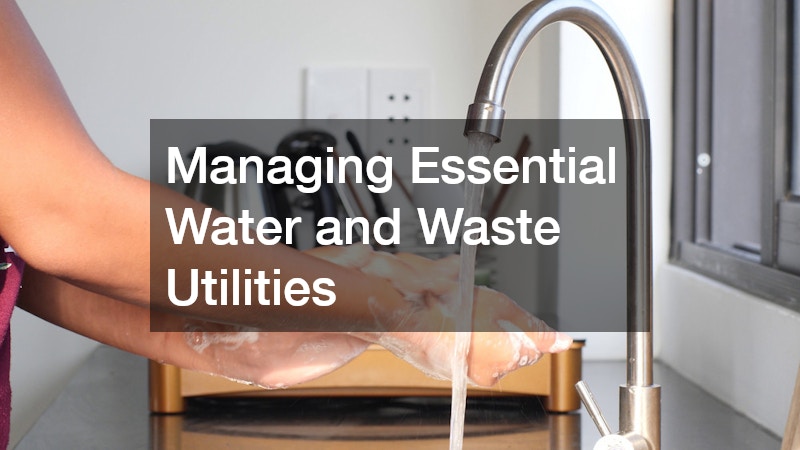
Water systems operate under constant pressure, meaning that a single poorly sealed fitting can slowly drip behind a wall for months before showing visible damage. While changing a basic faucet washer is a reasonable DIY task, altering supply lines or diagnosing sluggish main drains demands specialized training. A licensed plumber possesses diagnostic tools like fiber-optic drain cameras to pinpoint the exact source of a blockage or pipe collapse without destroying your yard. Their installations comply with strict local building codes, preventing future leaks that cause toxic mold growth and compromised foundations. Relying on an expert ensures your daily water system remains pressurized, leak-free, and fully efficient.
-
Utilize professional leak detection equipment before cutting into drywall to locate hidden water tracking.
-
Avoid using harsh chemical drain cleaners that can erode older copper or cast-iron drain lines.
-
Upgrade older manual shutoff valves to modern quarter-turn ball valves for quick emergency control.
Caring for Subterranean Liquid Waste Systems
Properties operating on independent waste systems require a strict maintenance schedule to avoid foul backups and total soil absorption field failures. It is impossible to properly empty or inspect a deep underground holding tank without specialized vacuum trucks and safety gear. A certified septic pumping contractor can assess sludge levels, check the integrity of baffle walls, and ensure the effluent flows smoothly. Regular professional servicing prevents solid waste from spilling into the drainage fields, which would otherwise require a complete system replacement costing thousands of dollars. Leaving this dirty, complex task to the experts protects your yard, your health, and your long-term bank account.
-
Keep precise records of every service visit, noting total solids and fluid levels within the tanks.
-
Divert all heavy roof runoff away from your absorption field to prevent premature ground oversaturation.
-
Never flush non-biodegradable paper products or harsh chemical cleansers down household toilets.
Securing Independent Groundwater Access Points
Establishing a reliable, clean source of water for an independent property requires sophisticated geographical knowledge and heavy mechanical assets. It is impossible to manually dig deep enough to tap into safe, pristine underground aquifers without compromising water purity. Hiring a certified water well drilling service ensures the borehole is properly cased, sealed against surface runoff, and equipped with an appropriately sized submersible pump. These professionals understand local geological layers and handle the complex water quality testing required to ensure your supply is free of harmful contaminants. This heavy investment guarantees your household a steady stream of clean water for decades without the threat of premature well collapse.
-
Conduct basic chemical testing annually to check for bacterial growth or mineral changes.
-
Inspect the physical sanitary seal on top of your well casing regularly for cracks or insect entry.
-
Maintain a clean buffer zone free of fertilizers and chemicals within a wide radius of the wellhead.
Maintaining Liquid Resource Infrastructure Efficiency
-
Schedule visual flow tests for all major subterranean supply lines twice per calendar year.
-
Keep a clear map of all underground access lids to prevent heavy vehicles from crushing vital tanks.
-
Monitor your water pump pressure cycles to detect subtle subsurface geological shifting or mechanical wear early.
-
Test your primary incoming main shutoff valve annually to ensure it can completely isolate your systems during emergencies.
Optimizing Electrical Systems and Exterior Infrastructure

Upgrading Distribution Panels and Complex Circuit Layouts
Electrical currents pose immediate safety threats regarding arc flashes, severe shocks, and devastating house fires if handled improperly. Swapping out a decorative light fixture might seem simple, but tracing a short circuit or balancing a heavy load across a breaker panel is incredibly technical. A master electrician understands how to calculate specific circuit demands, install ground-fault circuit interrupters correctly, and ground your entire home safely. Their work passes municipal inspections effortlessly, which is vital for maintaining your homeowner insurance coverage. Investing in professional electrical work eliminates the hidden fire hazards that arise from amateur wiring mistakes.
-
Upgrade older panels to ensure your system can handle the draw of modern appliances safely.
-
Test all built-in safety breakers monthly using the physical test buttons located on the faceplate.
-
Run separate dedicated lines for power-hungry devices like workshop tools and deep freezers.
Laying Durable Low-Maintenance Driveways
The approach to your home dictates its visual appeal and handles thousands of pounds of vehicular weight daily, requiring a perfectly stable foundation. Spreading and compacting hot mix materials requires massive heavy rollers and precise thermal management that a homeowner cannot replicate with manual tools. Professional asphalt paving ensures that the subgrade is excavated evenly, pitched correctly for water runoff, and compacted to prevent premature cracking or sinking. A properly laid driveway lasts for decades with minimal maintenance, whereas an amateur attempt quickly degrades into potholes and crumbling edges under winter freeze-and-thaw cycles. Getting the job done right the first time saves you from constant patching costs.
-
Fill minor hairline cracks immediately before moisture can seep below and expand during winter freezes.
-
Keep heavy commercial vehicles off newly laid surfaces for at least several days following installation.
-
Apply high-quality protective sealants every few years to guard against vehicle fluid breakdown.
Enhancing Safety and Flow Across Property Boundaries
-
Ensure all main breakers are labeled accurately to speed up troubleshooting during localized power failures.
-
Check exterior drainage pathways next to large driveways to prevent heavy pooling along the property edges.
-
Invest in high-grade surge protection modules directly at your main power distribution source to protect electronics.
-
Seal exterior ground surfaces periodically to prevent freezing temperatures from splitting the foundational substrate apart.
Preserving Property Value and Expanding Footprints

Erecting Secure Weatherproof Vehicle Storage
Adding a freestanding workshop or a secure vehicle enclosure is an excellent way to boost property value, but it represents a complex, multi-phase construction project. Managing everything from pouring a level concrete slab to framing walls and hanging heavy overhead torsion springs requires advanced engineering knowledge. A specialized garage building contractor coordinates the entire workflow, ensures optimal structural load paths, and secures all necessary municipal permits seamlessly. Their specialized crews finish the enclosure quickly, protecting the interior space from wind, rain, and structural sagging over time. Outsourcing this large-scale build ensures a flawless finish that enhances your lifestyle and future resale prospects.
-
Pour a heavily reinforced concrete base designed to support heavy automotive tools and jacks safely.
-
Plan ample overhead clearances if you ever intend to install a mechanical vehicle lift.
-
Install high-quality weather stripping around all rolling entranceways to block wind-driven moisture.
Eliminating Subterranean Wood-Destroying Pests
A home is constantly under siege from microscopic or highly secretive invaders that quietly compromise structural timbers and insulation from the inside out. Spraying store-bought perimeter treatments might kill a few visible bugs, but it rarely eradicates the deep nesting colonies hidden inside your walls or beneath your foundation. Enlisting certified pest control services provides access to commercial-grade baits, thermal imaging tools, and targeted soil barriers that eliminate the root of the infestation. These experts can identify structural vulnerabilities that allow pests to enter, stopping future invasions before they cause thousands of dollars in hidden wood damage. Professional eradication provides absolute peace of mind and preserves the structural skeleton of your home.
-
Look out for mud tubes along exterior foundation walls, which often signal hidden subterranean tunneling.
-
Remove any direct firewood contact with the main structure to cut off easy insect paths.
-
Keep crawlspaces and basements exceptionally dry to make the environment unappealing to structural pests.
Securing New Additions Against External Variables
-
Review zoning maps and setback requirements thoroughly before finalizing the layout for any new detached outbuilding.
-
Schedule quarterly structural inspections around vulnerable subterranean foundations to check for signs of hidden invaders.
-
Insulate all exterior outbuilding walls correctly to prevent seasonal condensation from rusting tools and components stored inside.
-
Choose treatment options that create long-lasting residual barriers rather than temporary topical contact solutions.
Practical Frameworks for Evaluating Project Management
Deciding When to Outsource
-
Calculate your actual hourly worth against the time a project will take you to finish.
-
Assess whether the task requires specialized rental tools that are expensive or dangerous to operate.
-
Look at the potential financial consequences if the repair fails a week down the road.
-
Check local municipal laws to see if a certified, licensed professional’s signature is required for resale documentation.
Screening Your Contracting Partners
-
Verify that the specialist carries comprehensive general liability and workers’ compensation insurance.
-
Ask for at least three references from clients who had similar work completed over a year ago.
-
Demand a highly detailed, written estimate that breaks down material costs and labor allocations.
-
Check online consumer protection bureaus for any unresolved disputes or systemic quality complaints.
The allure of saving money through self-taught labor often masks the long-term financial risks of amateur mistakes. While simple painting, landscaping, or basic cosmetic updates are fantastic opportunities to save cash, major structural and mechanical systems demand specialized expertise. By building partnerships with certified professionals, you ensure your home stays safe, efficient, and fully compliant with modern building standards. Ultimately, the time saved, the avoided material waste, and the long-term structural security far outweigh the initial cost of professional labor, proving that smart outsourcing is the ultimate budget strategy.