Essential Services to Consider When Updating Your Outdoor Property
Updating an outdoor property requires more than selecting attractive plants or installing a new patio. A successful project begins with identifying safety concerns, evaluating the condition of existing features, and deciding which improvements will make the space easier to use. Overgrown trees, unwanted animals, deteriorating pavement, and poor drainage can affect everyday activities while complicating future landscaping plans. Addressing these concerns in a practical order helps homeowners make better use of their budgets and avoid repeating completed work.
Professional services can support nearly every stage of the process, from clearing unwanted materials to shaping new garden beds and building durable outdoor structures. The goal is not necessarily to transform the entire property at once. Instead, homeowners can prioritize essential repairs, coordinate complementary projects, and develop a maintenance routine that protects their investment. Reviewing the following services before starting work can make the transition from an overlooked yard to a more functional outdoor environment considerably easier.
Start With a Thorough Property Cleanup
Clearing the property creates room to inspect existing conditions and plan improvements accurately. Old fencing, broken lawn furniture, construction scraps, and unused equipment often collect in garages, sheds, and corners of the yard. These materials can hide drainage problems, obstruct access, and make even a spacious outdoor area feel crowded. Removing them first allows homeowners to see which parts of the landscape need immediate attention and which can remain unchanged.
A junk removal service can help with bulky materials that are difficult to load or transport independently. Before scheduling pickup, separate items that could be donated, recycled, or repurposed. Ask the provider which materials it accepts, how pricing is calculated, and whether heavy objects or demolition debris require special arrangements. Hazardous substances and certain electronics may need to go through separate local collection programs.
Once clutter is removed, examine walkways, fence lines, retaining structures, and low areas where water accumulates. Take photographs and measurements before new work begins. This early assessment helps contractors prepare estimates and reduces the chance that unexpected obstacles will interfere with installation. It also gives homeowners a useful record of the property’s original condition for comparing progress throughout the project.
Address Wildlife Activity Before Making Major Changes
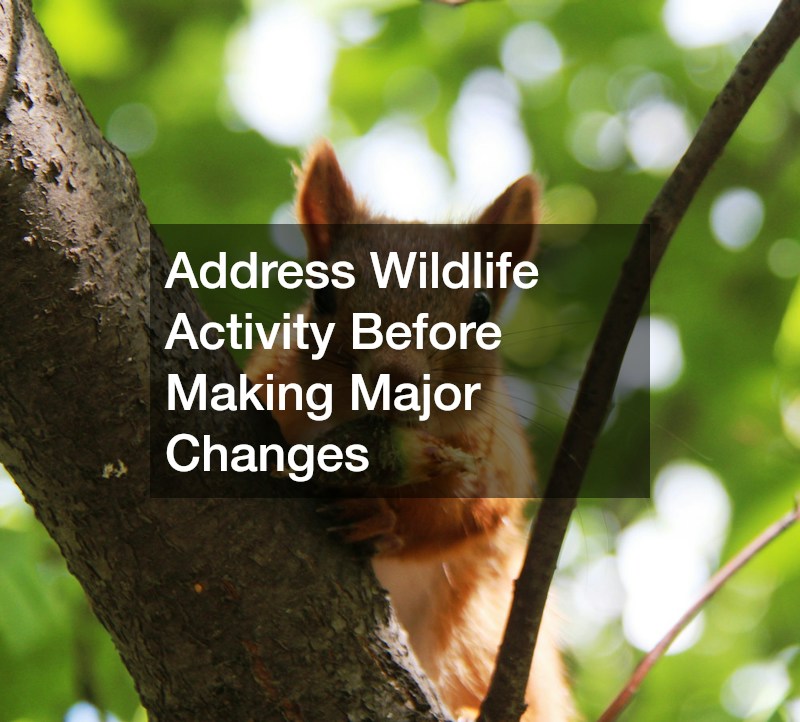
Wild animals may enter outdoor spaces in search of shelter, food, or access to buildings. Signs such as disturbed soil, damaged screens, droppings, and unusual noises near an attic or crawl space can indicate activity that deserves attention. Not every animal presents a problem, however, and some species play valuable roles in local ecosystems. The first step is identifying the source of the concern rather than immediately attempting removal.
A wildlife removal service can assess potential entry points and recommend appropriate responses for animals causing damage or creating safety concerns. Ask about humane practices, applicable wildlife regulations, exclusion methods, and steps that could prevent repeat visits. Techniques may differ depending on the species, season, and whether young animals are present. Homeowners should avoid sealing openings until they know that no animals remain inside.
Long-term prevention matters as much as resolving an immediate issue. Secure trash containers, remove unnecessary food sources, repair damaged vents, and consider whether branches provide access to a roof. Keep vegetation away from structural openings where practical. Coordinating wildlife work before exterior repairs or landscaping prevents newly installed features from being disturbed by unresolved activity. If an animal appears injured or aggressive, keep people and pets away and contact an appropriate professional rather than trying to handle it directly.
Manage Stinging Insects and Other Outdoor Pest Concerns
Outdoor upgrades often involve activities that bring people close to sheds, rooflines, garden beds, and other sheltered areas. These locations can attract insects, including wasps that establish nests under eaves or within landscape features. Because nests may be difficult to see until activity increases, inspect work areas before moving stored objects, cutting vegetation, or beginning demolition. Frequent insect traffic around a single opening can be a useful warning sign.
Professional wasp extermination may be necessary when an active nest threatens people using the property or contractors working nearby. A pest control professional can identify the insect, evaluate the location, and determine an appropriate treatment. Avoid disturbing nests or applying products without understanding the risks, particularly around children, pets, electrical fixtures, or enclosed spaces. Individuals with a history of severe allergic reactions should take extra precautions around suspected nesting areas.
Prevention can also make outdoor spaces more comfortable after improvements are complete. Close gaps in structures where appropriate, maintain covered trash bins, and promptly remove food scraps from entertaining areas. Inspect outdoor furniture and play equipment periodically during warmer months. Pest management is most effective when it is part of broader property upkeep, rather than a rushed response immediately before an event. Treating problem areas early allows other contractors to work with fewer interruptions.

Evaluate Trees for Safety, Health, and Appearance
Established trees can provide shade, privacy, and character, but neglected growth may interfere with outdoor improvements. Branches can hang over roofs, block pathways, obstruct lighting, or crowd nearby plantings. Before installing paving or garden structures, evaluate the trees that will remain and consider how their roots and canopies affect the proposed layout. Trees may also require attention following storms or when visible decay raises concerns about stability.
Proper tree pruning can improve clearance, manage damaged limbs, and support the tree’s natural structure when performed at suitable times. A qualified tree care professional can explain which cuts are appropriate for a particular species and why excessive cutting can cause problems. Pruning should not be used simply to force a large tree into a space that cannot accommodate its mature growth. Protecting root zones during nearby construction is another important consideration.
In some circumstances, a tree removal service is needed because a tree is severely compromised, conflicts with essential work, or creates an unacceptable hazard. Removal decisions should account for local rules, nearby utilities, access limitations, and the effect on surrounding vegetation. Ask whether stump grinding and debris removal are included in the proposal. Once tree work is complete, homeowners can plan planting locations, adjust sun exposure, and install new features without placing workers beneath potentially hazardous branches.
Improve Surfaces and Access With Thoughtful Paving
Walkways, driveways, and gathering areas help determine how people move through a property. Cracked pavement, uneven transitions, or muddy routes can make common tasks difficult and create tripping hazards. When updating exterior spaces, consider the routes between entrances, parking areas, gardens, and recreational features. A cohesive layout makes the yard easier to navigate while defining where vehicles, pedestrians, and outdoor furniture belong.
A paving service can evaluate existing surfaces and discuss materials suited to the intended use. Asphalt, concrete, pavers, and other options differ in cost, appearance, maintenance requirements, and installation methods. Ask how the project will handle drainage, surface slopes, base preparation, and connections to existing structures. The appearance of a finished walkway matters, but a stable foundation and effective water management are equally important to its performance.
Schedule paving after underground utility work and major tree decisions whenever possible. Otherwise, new surfaces may need to be opened or replaced to accommodate later changes. Consider slip resistance, accessibility, winter maintenance, and adequate space for equipment moving through the yard. Contractors should also explain curing or settling periods and any temporary restrictions on use. Coordinating these details helps households avoid disrupted access and gives new paved areas a better opportunity to perform as intended.

Use Retaining Structures to Support Better Landscape Design
Sloped yards present challenges for gardening, outdoor seating, and managing runoff. Soil can wash onto paths, planting beds may become difficult to maintain, and usable areas may feel limited. Retaining walls can help create defined levels, support soil, and establish clearer boundaries between landscape features. However, a wall that holds back substantial earth is an engineered structure, not simply a decorative border, and it requires careful planning.
Before construction, assess the slope, soil conditions, drainage patterns, and any structures nearby. Wall height and location may determine whether permits or professional engineering are required. Poor drainage behind a wall can increase pressure and contribute to failure, so details such as backfill materials, drainage provisions, and foundations deserve careful attention. Ask the installer to explain the proposed system and how water will be managed around it.
Walls can also contribute to the visual character of a garden. Materials may include concrete blocks, natural stone, or other systems appropriate for the site. Consider how the finish complements nearby paving, steps, and planting areas. Where elevation changes are substantial, incorporate safe routes between levels rather than relying on informal shortcuts. Planning structural work before planting helps protect new vegetation and prevents repeated excavation in areas that have already been finished.
Select Planting Materials That Suit the Property
Healthy landscaping depends on choosing materials that work with local conditions rather than appearance alone. Sun exposure, soil texture, drainage, foot traffic, and available maintenance time all influence which plants and ground coverings will succeed. Before purchasing supplies, identify areas that remain wet after rainfall, dry out quickly, or receive intense afternoon sun. These observations can guide choices and reduce replacement costs over time.
Landscaping soil should be selected with the intended application in mind. Raised beds, new lawns, and established planting areas may have different needs, and adding material without evaluating the existing soil can create drainage or grading problems. A soil test may help identify nutrient levels and pH before amendments are introduced. Keep finished grades away from siding and ensure that improvements do not direct water toward foundations or neighboring properties.
Decorative landscape supply stones can provide edging, define walkways, or cover selected nonplanted areas. Compare stone size, color, depth requirements, and compatibility with the surrounding design. Stone is not automatically maintenance free: leaves, sediment, weeds, and displaced pieces may still require attention. Use materials intentionally instead of covering every open area with the same finish. Combining suitable soil, practical hardscape elements, and plants chosen for their mature size can create a landscape that feels coordinated without becoming overly demanding.
Before ordering materials, request quantities based on measured coverage rather than estimates. Account for delivery access, where loads can be placed, and whether loose materials need containment. If several contractors are involved, confirm who is responsible for final grading, removing excess supplies, and repairing any disturbed lawn. These details help prevent leftover piles, blocked driveways, and damage to completed areas.
Maintain Improvements With a Realistic Care Schedule
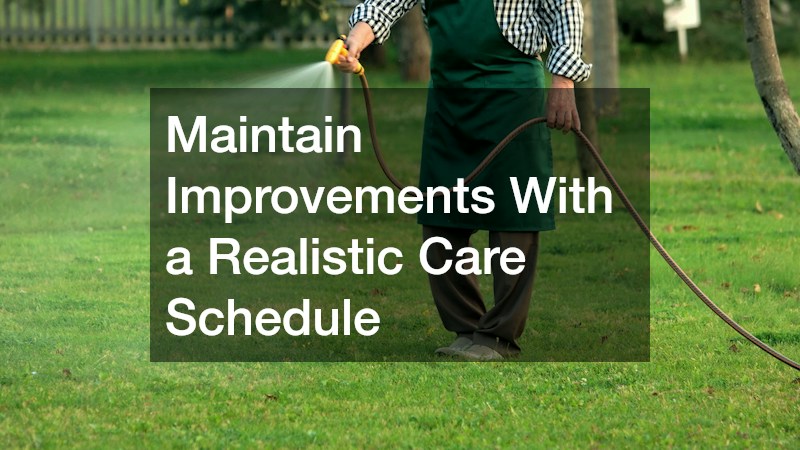
An outdoor renovation is not complete when the last contractor leaves. New planting areas require monitoring, paved surfaces need inspections, and trees continue to grow around structures. Creating a seasonal maintenance plan helps protect the work and makes smaller issues easier to address before they become expensive. The plan should reflect the property’s size, climate, and how much time the household can devote to routine tasks.
Lawn care services can assist with mowing, edging, fertilization, aeration, and other treatments suited to the property. Discuss the lawn’s current condition and ask which activities are actually necessary rather than purchasing every available service. Newly planted grass or renovated beds may need different watering and maintenance approaches than established areas. Follow local watering restrictions and consider how equipment access could affect vulnerable plantings.
Include regular checks of drainage outlets, wall movement, surface cracks, tree limbs, and signs of renewed pest activity. Clear leaves and debris from paths and keep vegetation from blocking lights, vents, or access points. Maintain records of installation dates, warranties, and care instructions so future service providers have useful information. A manageable schedule is more sustainable than a complicated checklist that gets ignored.
Budgeting for upkeep should begin during the design stage, not after installation. Ask contractors how often surfaces need cleaning or sealing, what seasonal care plants require, and which repairs a homeowner can handle. Set aside funds for maintenance and occasional inspections. A property that looks attractive after construction will be more rewarding when its upkeep remains affordable and realistic.
When homeowners pair thoughtful planning with appropriate professional support, an outdoor property can remain safer, more inviting, and easier to use for years to come.