Everything You Need to Know Before Your First Roofing Installation
Replacing or installing a roof is one of the most significant financial investments you will make as a homeowner. While a brand-new roof brings peace of mind, improves energy efficiency, and dramatically boosts your home’s curb appeal, the process can feel overwhelming if you do not know what to expect. From selecting the right materials to preparing your property for construction day, being proactive ensures everything goes smoothly. This guide covers the essential steps and key factors to consider before kicking off your first roofing installation.
Understanding the Life Cycle and Signs You Need a Replacement
Before diving headfirst into a major home improvement project, it is essential to determine whether a complete tear-off is necessary or if targeted repairs will suffice. Most standard asphalt shingle roofs last between twenty and twenty-five years, while materials like metal, tile, or slate can last upwards of fifty years with proper maintenance.
If your roof is nearing the end of its expected lifespan, keep an eye out for telltale signs of failure. Missing, cracked, or curling shingles are clear indicators of weather damage and aging. On the inside of your home, water stains on ceilings, dark streaks in the attic, or daylight peeking through the roof boards signal structural vulnerabilities. Catching these warning signs early helps you plan a scheduled roofing installation rather than reacting to a sudden, costly emergency leak during a major storm.
Selecting the Best Materials for Your Home and Climate
Choosing the right material is a balancing act between aesthetics, durability, geographic climate, and budget. Asphalt shingles remain the most popular choice for residential homes because they are cost-effective, durable, and come in a wide variety of colors. Architectural asphalt shingles, in particular, offer a dimensional look while providing superior wind resistance compared to traditional three-tab shingles.
If long-term longevity is your primary goal, consider alternatives such as standing-seam metal, clay tiles, or synthetic slate. Metal roofing excels in harsh climates, easily shedding heavy snow and reflecting solar heat to keep energy bills down during hot summers. Tile and slate offer breathtaking architectural style and unmatched durability, though they require stronger structural support due to their heavy weight. Consult with local professionals to determine which material best suits your area’s weather patterns and your neighborhood’s architectural norms.
Vetting Contractors and Getting Accurate Estimates
The quality of your roof depends just as much on the skill of the installers as it does on the quality of the materials. Take the time to thoroughly vet potential contractors before signing any contracts. Look for local, licensed, and insured companies with established track records and positive customer reviews. Requesting references and verifying their manufacturer certifications ensures they adhere to industry standards.
When requesting estimates, aim to gather at least three detailed quotes. A professional estimate should be fully itemized, outlining costs for materials, labor, permits, waste disposal, and cleanup. It should also clearly specify warranty terms—both the manufacturer’s warranty on materials and the contractor’s workmanship warranty. Avoid choosing a contractor based solely on the lowest price; extremely low quotes often indicate rushed workmanship, low-quality materials, or hidden costs down the line.
Preparing Your Property and Managing Pets on Construction Day
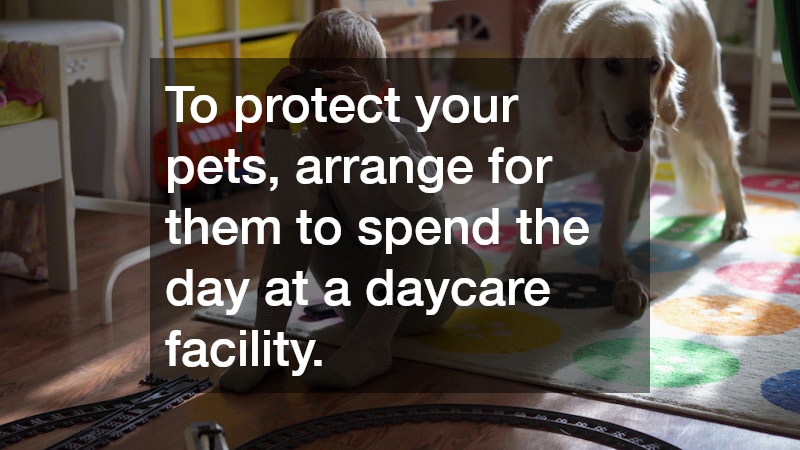
Once you have scheduled your project, proper site preparation is critical to ensure safety and prevent accidental damage to your property. A full roof replacement is essentially a large-scale construction project that generates substantial noise, vibration, and debris. The constant pounding directly overhead can be terrifying for pets, and crew members frequently move through gates and work areas where animals might escape. To protect your pets, arrange for them to spend the day at a daycare facility, stay with a neighbor, or relax in a quiet room on the lowest level with a white noise machine running.
On the day of the job, clear your driveway to give the crew easy access for their trucks and debris dumpsters. Protect your landscaping by moving patio furniture, potted plants, grills, and lawn ornaments out of the immediate work area. Indoors, remove fragile items from top-floor walls and shelves, as heavy vibrations can cause wall decorations to shift or fall. Taking these quick precautions ensures the crew can perform an efficient roofing installation while keeping your home and pets fully protected throughout the process.
Embarking on your first major roof replacement does not have to be a stressful experience. By recognizing the early warning signs of roof failure, selecting high-quality materials tailored to your climate, hiring a trustworthy contractor, and prepping your property ahead of time, you set the stage for a seamless project. A well-executed roof replacement not only protects your home and loved ones from the elements for decades to come, but it also enhances your property’s value and overall structural integrity.